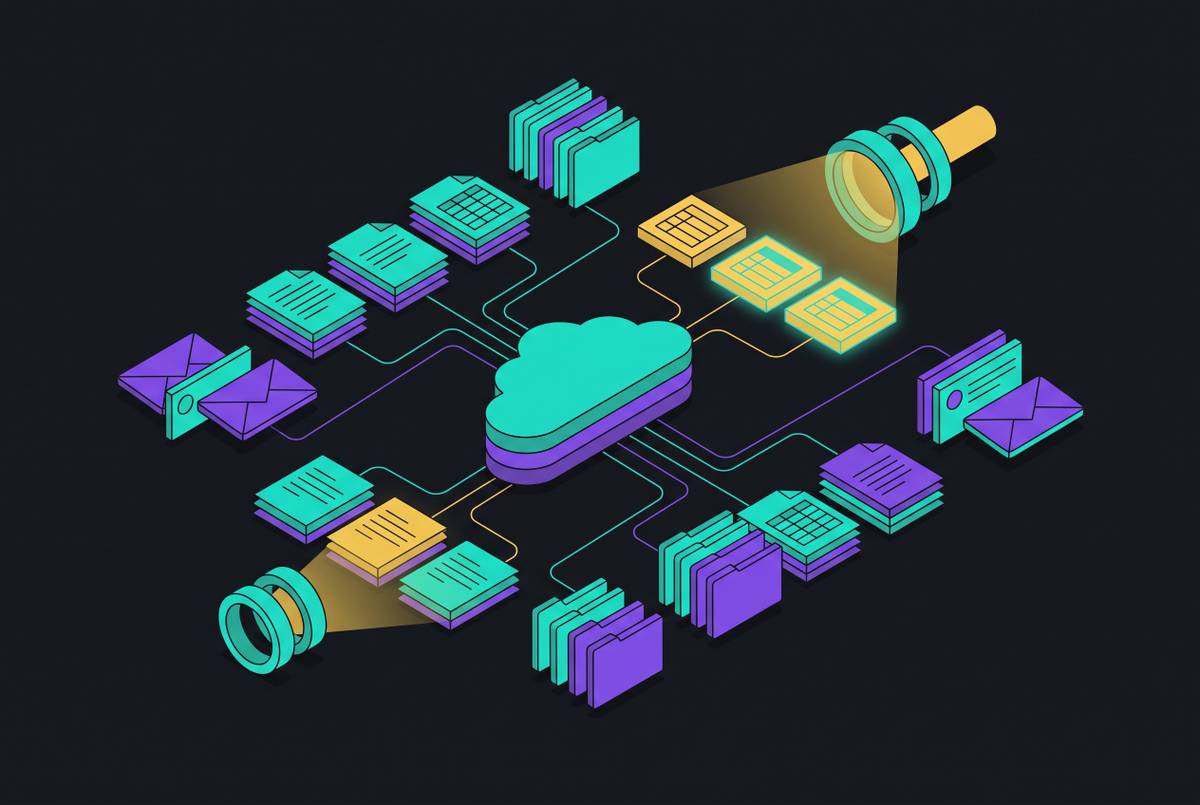
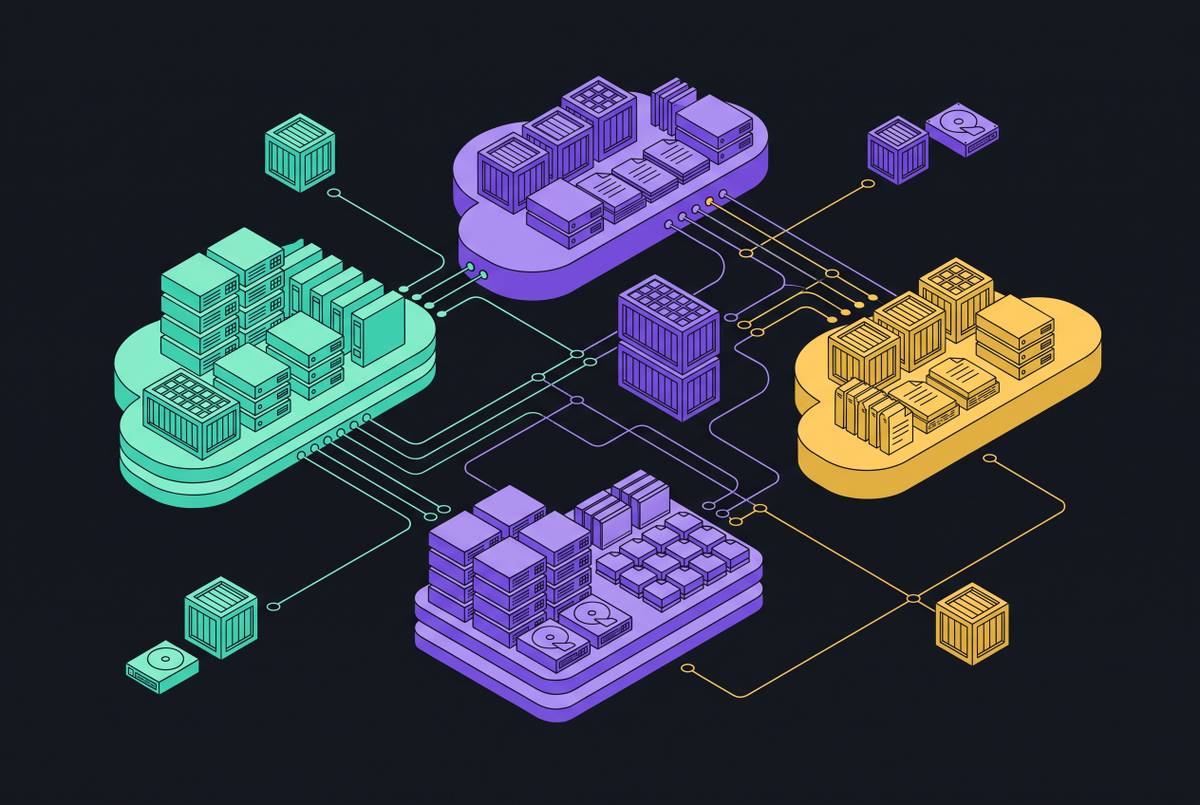
Data Inventory Maintenance and the Problem of Discovery Decay
Inventory accuracy erodes the moment organizations stop actively maintaining it.
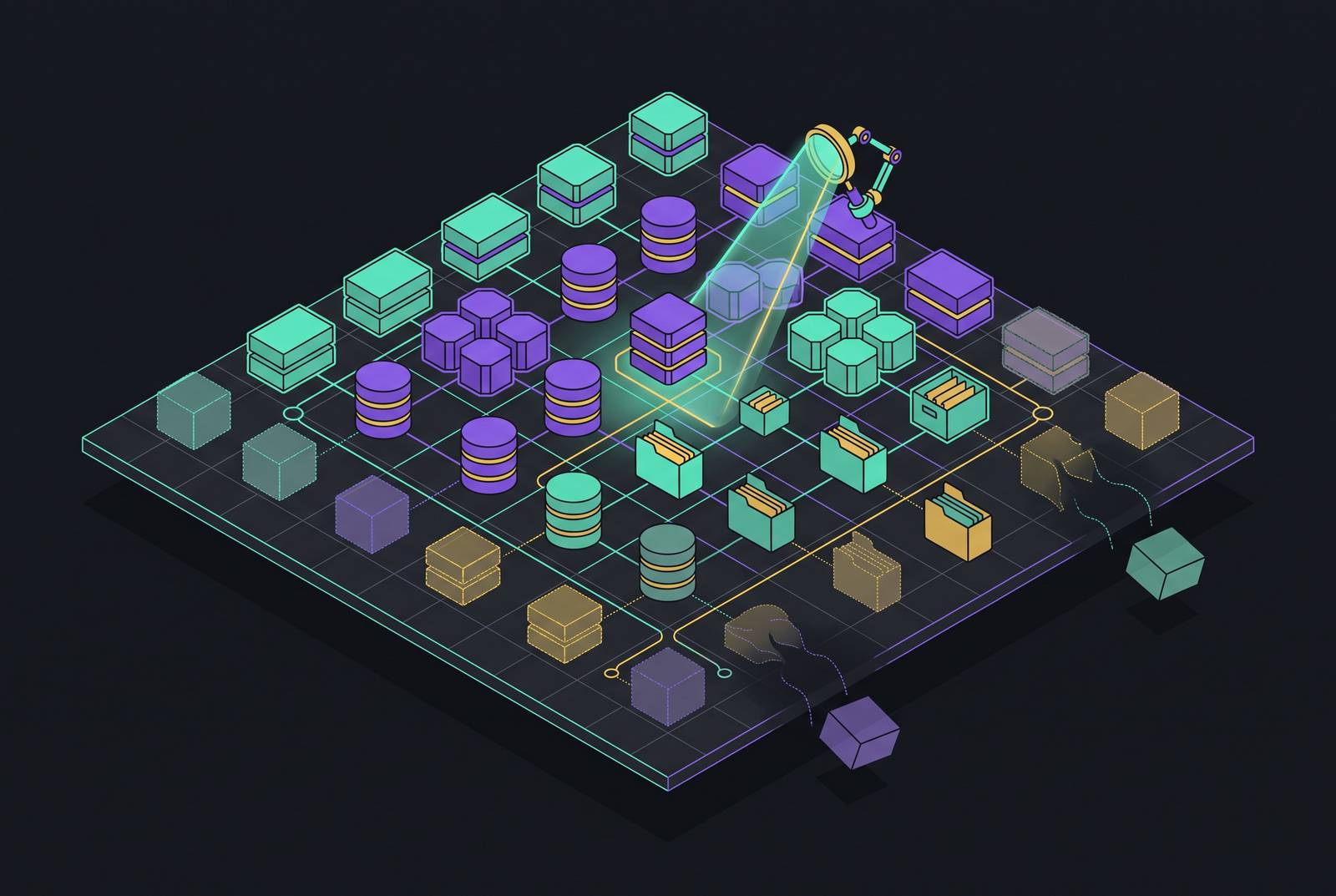
Data inventory maintenance is the work of keeping a record aligned with information that never stops moving. Discovery decay is structural. An inventory reflects risk only when maintenance follows data creation, movement, and use, including the valuable information that classification rules do not recognize.
Why a data inventory decays the moment it is complete
Organizations often treat an inventory as a project with a deliverable, while the result is a snapshot of a moving environment. The distinction changes what completion can mean. Data is created, copied, moved, and abandoned after the initial scan closes, so accuracy begins to erode immediately. Shadow data accumulation, SaaS-native blind spots, and AI-workflow expansion all put pressure on the inventory at the same time, including between scheduled reviews.
Configuration drift compounds that loss of accuracy. Patches, updates, and configuration changes can leave the environment out of sync with its records, complicating both protection and proof of compliance. Some records become unreliable faster than others. Security posture data, endpoint state, and access credentials shift daily, making them particularly poor candidates for treatment as a one-time compliance artifact. A periodic refresh may correct the record eventually, but it leaves an interval in which controls depend on outdated information.
How shadow data silently expands the inventory's blind spots
Shadow data is sensitive information in unmanaged, unsanctioned, or forgotten locations. Its growth does not require an unauthorized application. A business analyst can export a database into a local spreadsheet, or a developer can seed a test environment with production records, while performing legitimate work. The source remains inventoried, but the copy creates another location that the original record does not describe. When nobody retires that copy, a temporary working asset becomes a persistent blind spot.
Forgotten exports and stale backups belong to the same problem as data in rogue applications because each escapes part of the organization's oversight. Omdia's 2025 DSPM Universe report identifies “shadow data and unmanaged data flows” as a vulnerability category that discovery and protection tools must address. The exposure is broader than software sprawl alone.
Shadow IT adds another layer by introducing stores that discovery programs do not know to inspect. A department's choice of application can leave the organization unable to track the asset or protect its data. Without knowledge of the application, the organization cannot classify its contents, apply retention rules, or monitor access. The missing inventory entry conceals the decisions that remain unmade.
Why SaaS-native data stores are systematically excluded from discovery programs
Even approved applications can fall outside discovery when their workflow purpose determines how they are catalogued. A help desk platform is an operational tool, but its attachments can contain customer PII, credentials, internal escalation notes, and product roadmaps. Programs organized around databases and file shares can therefore omit sensitive stores without overlooking a single unauthorized application.
Each OAuth grant can open a data path beyond the inspection boundary, but enterprises often have no inventory of the third-party applications their employees have authorized. AgentStack's 2026 enterprise data security guide describes vendor and integration connections as “active data paths” that require governance. A record of the platform alone cannot describe what those connections expose.
The DC Department of Health Care Finance incident illustrates how the visible surface of a data product can conceal its contents. Beneficiary-level data sat underneath the summary statistics in reports that were published from 2023 until July 2026. The inventory gap was inside the published files. In the Veradigm case, an API used by a vendor returned Social Security numbers, showing why interfaces also need to be checked. Both cases extend discovery beyond identifying a system to understanding what its exports and interfaces actually deliver.
How AI workflows create a new category of untracked data movement
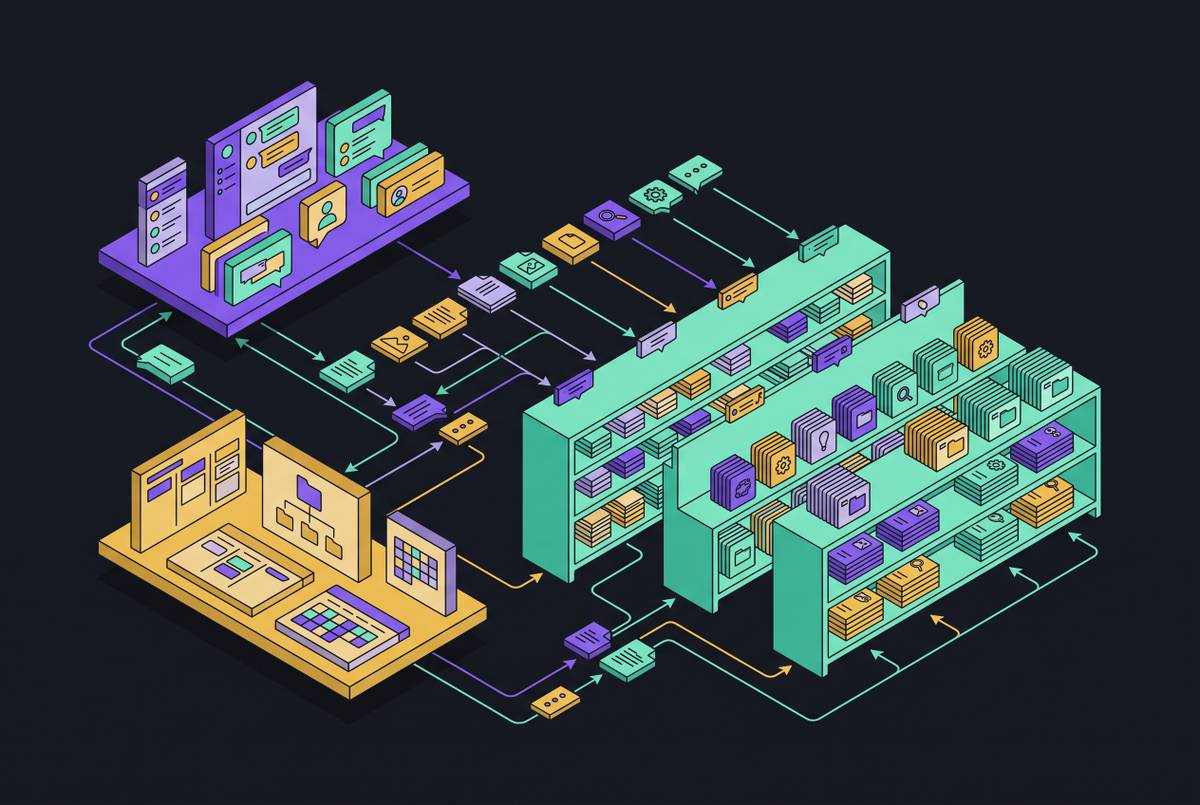
AI workflows extend this problem beyond stores and interfaces into prompts, retrieved context, tool inputs, and agent outputs. Sensitive information can pass through a conversation, retrieval step, tool call, or model response, changing form along the way. Location scans alone cannot describe those exchanges. The inventory must cover both where information resides and what each service receives, processes, and returns.
An inventory entry for an approved AI tool is consequently incomplete without its connected repositories, plugins, agents, and endpoints. Each connection is another possible way for data to leave the governed environment. The AgentStack guide treats AI agents and vendor integrations as systems that must be “governed as privileged integrations.” Their scope includes both the information they can access and the destinations of their outputs.
Shadow AI makes that scope harder to establish because employees introduce channels outside the set of known systems. An unauthorized tool receiving corporate data will not appear in an inventory limited to sanctioned services. This is also a behavioral source of decay. The environment changes not only when IT deploys an integration, but when a person chooses a new service through which to perform work.
Why unlabeled IP is the inventory gap that creates the most consequential risk
Inventories built around regulated categories can recognize PII, financial records, and health information yet miss which intellectual property would do the most harm to the business's ability to compete if it were lost. Their classification logic treats sensitivity as a recognizable data type.
A product roadmap, unreleased model architecture, pricing strategy, or list of acquisition targets may have none of the fields those rules look for. Its sensitivity comes from what it enables. A catalogue can look complete under regulatory requirements while telling security teams little about where crown-jewel IP is held or where it goes. Compliance coverage and business-risk coverage are not interchangeable.
OvalEdge's guide identifies “classification and sensitivity context” as an inventory component, connecting labels to the meaning of the information. Ownership and stewardship give that context an accountable source when questions arise. The practical response is not exhaustive labeling. Security teams should identify the data that creates enterprise value, trace its locations and movement, and monitor those paths even when no label exists.
How human behavior — not just system changes — degrades inventory accuracy over time
People also invalidate inventories by using familiar systems in ways a location scan cannot anticipate. System-driven decay can, in principle, be found by discovering new stores or integrations. Behavioral decay can happen inside an environment that is already on record. Authorized-looking movement changes where information can go without requiring a new application.
United Arrows disclosed in March 2026 that a former employee had used an internal cloud server's external collaboration function to upload a client list before resigning on December 31, 2025. The employee sent the link to their personal email and downloaded the data on January 4, 2026, after resigning. The relevant inventory omission was the collaboration feature's role as an outbound data-movement channel. Recording the cloud server as a storage location did not capture that route.
The FSEC case illustrates a related gap involving access. Former employees logged into systems after resignation using their own or others' credentials, with access originating from a competitor's IP addresses. Employment status and active credentials had to be understood together. Pre-resignation staging makes this gap harder to close because employees can still have full access before they announce that they are leaving.
Why an inaccurate inventory directly widens the window for insider risk
The interval between data moving beyond monitoring and controls catching up is an opportunity for insider exfiltration. An inventory that omits current locations directs protection toward an outdated map. Encryption can protect a database while its sensitive exports sit elsewhere, and DLP can cover corporate applications while an approved integration sends information beyond what it can inspect.
Pattern-based controls have another limitation when the missing asset is unlabeled IP. Rules applied to known content types in known locations can miss both an unmonitored copy and information whose sensitivity depends on business context. Behavioral detection needs current high-value locations and data paths against which to interpret activity, while containment needs enough visibility to locate what has moved.
Coalfire's April 2026 whitepaper argues that AI is compressing attack timelines from days or weeks into minutes. That broader change sharpens the cost of inventory lag without making insider risk a different problem. Less time is available for discovery to catch up after a gap appears. A detection program built around a static environment starts behind the movement it is meant to identify, and delayed containment can worsen an incident's financial and operational outcome.
What continuous inventory maintenance actually requires in practice
The operational response is to connect discovery to changes in data, access, ownership, and behavior. Spreadsheets can support an early inventory, but automated discovery, metadata harvesting, and lineage tracking are needed as systems change. Maintenance must preserve entries and their relationships. The record needs to connect assets and source systems with metadata, accountable owners, sensitivity context, usage, and lineage.
A named owner has responsibility for data quality and access decisions as systems and use cases evolve. Without that assignment, a discovered asset can remain an unresolved governance question. Classification soon after data is created helps teams decide how to handle what they find without waiting for perfect labels.
In practice, the scope must include who and what can access information as well as where it resides. Employees, service accounts, vendors, agents, and temporary credentials belong in that access picture. Uploads, API calls, exports, prompts, model responses, forwarding, and synchronization describe the movement picture. AI services and their connections belong in the same record.
Teams should be able to produce a current data-flow map for a high-risk workflow and test whether monitoring follows its changes. Behavioral signals then supplement discovery by revealing new destinations and paths that maintenance must bring into scope.
How security teams should prioritize when inventory gaps exceed their capacity to close them all at once
Security teams should prioritize the gaps with the greatest consequences rather than pursue uniform freshness across every asset. Data that creates enterprise value, helps the business compete, or puts it at risk under regulations needs continuous inventory and monitoring. Other categories can tolerate longer refresh cycles. The starting judgment must come from the business, because field-name matching cannot establish which intellectual property is indispensable.
High-risk workflow mapping turns that judgment into a manageable scope. Teams should identify where sensitive information is created, shared, or sent outside the organization, then map those paths and test their monitoring. Deciding what data to keep can leave less work to do before further discovery begins. Removing information that no longer needs to be held reduces the exposed inventory, while access architecture can separate protected data from keys an intruder might obtain.
Monitoring high-risk individuals as they use known high-value locations can reveal staging before they leave, even while the enterprise inventory is still being built. Analyst capacity must constrain the design. Investigation of candidate events needs enough automation for teams to act, rather than merely moving the backlog from discovery into triage. The practical standard is not an inventory declared complete, but maintained visibility into the information and paths whose loss would do the most harm.