Endpoint Data Discovery for Sensitive Files on Employee Devices
Endpoint discovery must reveal who can access sensitive files and what they're doing with them.

Endpoint data discovery for sensitive files on employee devices must do more than locate documents. Effective protection depends on knowing what those files mean to the business, who can reach them, and what activity surrounds them. A program that connects those findings directly to enforcement can address exposure that controls focused only on data in motion cannot see.
Why sensitive files on endpoints are the blind spot that data-in-motion controls cannot close
A forgotten spreadsheet on a workstation or a downloaded report on a server can hold sensitive information long after its immediate purpose has passed. It may sit outside the reach of controls designed to inspect uploads, transfers, or other movement. The file does not have to move to remain exposed. Anyone with local access may still be able to reach it, while a channel-based rule has no movement to inspect. Old archives can also leave sensitive content in places that no one may check anymore.
CrowdStrike's Falcon Data Protection documentation identifies this distinction between protecting data at rest and intercepting data in motion. Organizations that rely only on the latter leave a whole category of sensitive files unchecked. Attackers and insiders can target that content precisely because its presence is unexpected or its protection incomplete. Discovery must therefore precede decisions about protecting those files. PCI DSS also mandates discovery of cardholder data at rest, making the visibility gap a compliance concern as well as a security weakness.
An insider may already have authorized access to the device and the sensitive content stored there. Blocking an unauthorized entry does not address that exposure, because entry is not necessarily the problem. The unresolved questions are whether the organization knows the file exists and whether it knows who is touching it. Movement controls can contribute later, but they cannot substitute for that initial knowledge.
What endpoint data discovery actually does — and where the first generation of tools stopped short
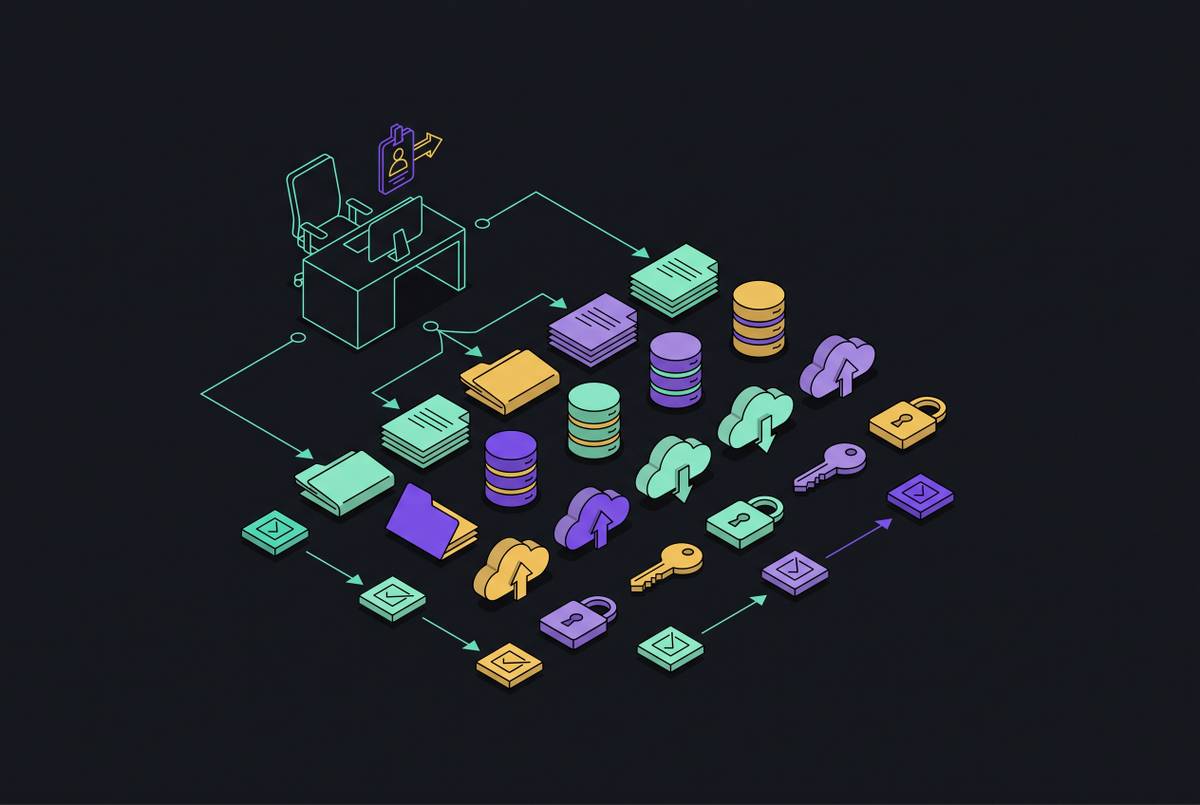
Endpoint data discovery scans local file systems for documents, spreadsheets, archives, and other files that hold sensitive content. That content includes PII, PCI, PHI, and custom-defined patterns. The Falcon documentation describes findings that include file names, paths, system information, matched classifications, detection patterns, host details, and scan execution history. These details give analysts a file-level evidence layer. Instead of knowing only that a device may contain sensitive data, they can identify the file and the basis for its classification.
First-generation scanning largely stopped at this inventory layer. Its structural limitation was not the absence of useful findings, but the separation between those findings and the information needed to respond. A path identifies a location. It does not explain which identities hold permissions, whether those permissions are appropriate, or what activity has occurred around the file. An analyst receiving only that inventory still has to reconstruct the conditions that determine exposure.
A finding may establish that content is sensitive without indicating whether an owner review, a permission change, or another control is warranted. A complete discovery approach must answer not just where a file is, but who can reach it, what it means to the business, and what has been happening around it.
How classification accuracy determines whether a discovery program finds the files that actually matter
The classification method determines which sensitive files enter that evidence layer in the first place. Keyword and regex approaches find content that fits their rules, but they can miss content that falls outside those patterns. Unlabeled intellectual property may be sensitive because of what it means to the organization, rather than because it contains a particular identifier. Manual end-user tagging also leaves gaps when employees skip a file or give it the wrong label.
More robust classification uses compound term processing, statistical analysis, and machine learning. These methods can surface sensitivity that emerges from meaning. Trainable classifiers extend coverage to custom data types and region-specific identifiers beyond standard PII, PHI, and PCI templates. A program cannot prioritize or protect valuable content that its classification method consistently fails to recognize.
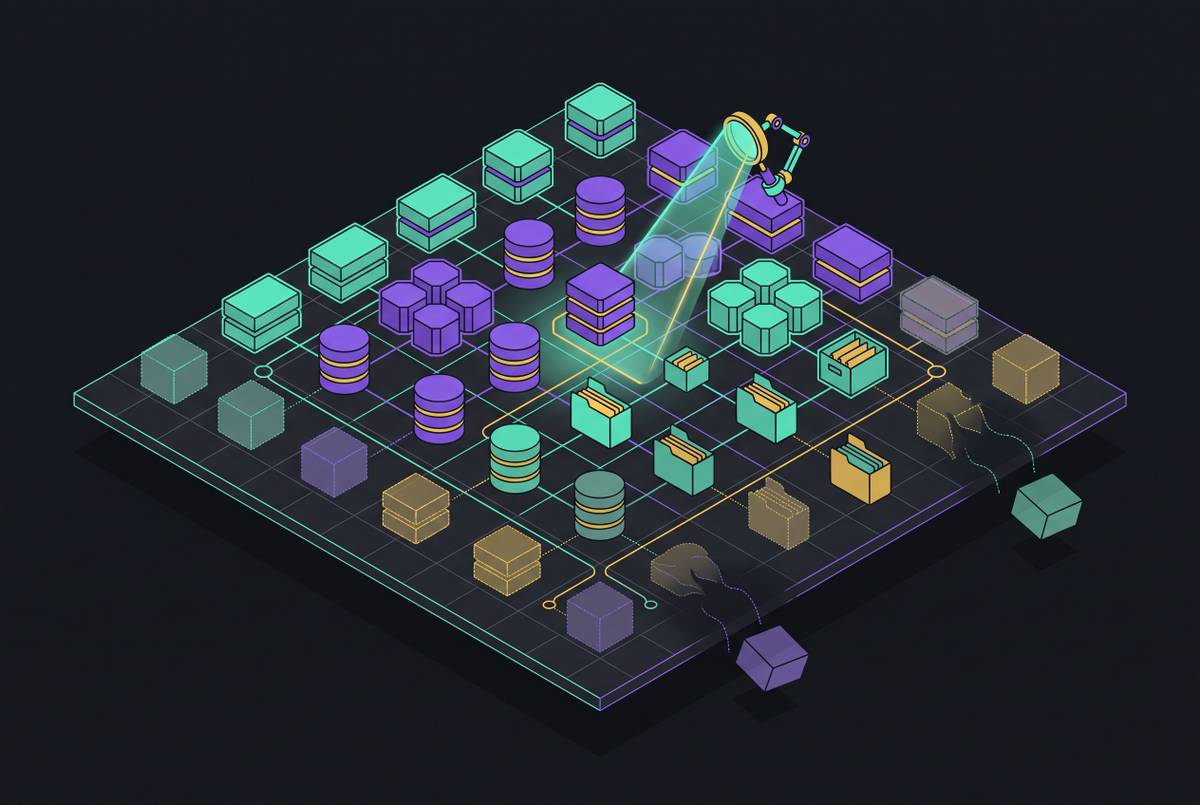
Discovery also has to stay up to date to remain accurate. The Falcon documentation describes on-demand, scheduled, recurring, and incremental scans, allowing visibility to be maintained without continuously rescanning entire file systems. Scan design therefore affects whether useful classification remains operationally sustainable. Consistency across controls is equally important. Using the same definitions and policies for data at rest and data in motion avoids the mismatch created when separate tools interpret sensitive content through separate schemas.
Why identity and permissions context must accompany every sensitive file finding
Once a file is classified, its access scope determines how widely that sensitive content is exposed. A finding identifies what exists, while identity and permissions context identifies the people who can reach it. Those are different kinds of evidence. Without the second, analysts cannot distinguish an expected access relationship from an excessive or unexpected one. Sensitivity alone does not establish which finding requires attention first.
Excessive privileged access expands that exposure beyond what a content scan can show. When users have broader permissions than their roles require, more people can reach sensitive files than the business purpose justifies. This can affect contractors, departing employees, and users who kept their access after a role change. Their credentials may be valid while their access is no longer appropriate.
Connecting discovery to identity context makes that distinction actionable. Establishing whether someone who should not have access can reach the file right now supports permission changes and access reviews in a way that a list of sensitive paths cannot. It also prevents file presence from becoming a proxy for risk, because the same kind of content can have very different exposure depending on its access relationships. Even this richer view remains incomplete, however, because knowing who can act does not establish what those people are doing.
What behavioral signals around a file reveal that its content and permissions cannot
A file's content, location, and permissions describe its state, while activity over time shows how that state is being used. Two findings can look alike in a static inventory yet warrant different responses because the surrounding behavior differs. Endpoint signals provide the missing temporal dimension. File access, application usage, USB transfers, cloud uploads, and authentication events help connect a sensitive file to a user's wider activity. Behavioral models can then build profiles for users and devices and score deviations across login patterns, data access habits, application usage, and network communication.
A sudden increase in downloads from a directory a user has always been allowed to access is different from the mere existence of that permission. Access outside normal working hours deserves more attention when the user also has a pending offboarding date. Bulk file operations followed by cloud uploads or USB transfer attempts show how access may lead to movement. Similarly, access to repositories a user has never previously touched can deserve attention even when permissions technically allow it.
These patterns need to be understood before they are treated as suspicious. A single event rarely establishes the risk, and a deviation from a baseline is not a complete explanation. Risk can exist from day one, remain statistically normal, or occur entirely through authorized access. Role, identity, and data sensitivity must therefore inform the reading of behavior. HR context, including termination dates, role changes, and performance improvement plans, can help prioritize cases with organizational significance without replacing the technical evidence.
Finding the file is step one, and knowing who can reach it is step two. Understanding what is happening around it is where protection actually begins.
How discovery findings connect to enforcement — and why that path must be short
Once content, access, and behavior establish a finding's significance, the next constraint is how quickly that finding can produce action. Delay leaves the identified exposure in place. A discovery program therefore needs a direct path into owner reviews, quarantine, permission changes, and DLP or label propagation. If analysts must build that connection after every discovery, the architecture has left a central part of protection unfinished.
A file identified at rest is assessed through the same definitions and policies used to protect sensitive content in motion. With that shared framework, a file does not need a separate classification decision when it is time to enforce controls. Dynamic enforcement tightens DLP controls in response to risk signals and relaxes them when behavior returns to normal, reducing friction for legitimate work.
Shadow AI adds a downstream complication to this path. Sensitive files can be fed into generative AI tools running locally or through a browser without triggering controls that watch only for uploads to known destinations. Enforcement must consequently account for destination, account ownership, context, and file content. This exposes the weakness of treating a known file as already protected. The path from a meaningful finding to policy enforcement must be short and automatic.
What a mature endpoint discovery program looks like in practice — deployment, scope, and the signals that make it work
A functioning program has to cover the infrastructure where sensitive content actually resides. Cloud-focused scanning can omit on-premises file servers, network-attached storage, on-premises SharePoint, and legacy databases containing regulated information. Endpoint discovery also needs to connect with visibility into sensitive data flowing into generative AI tools and Copilot. Otherwise, the program may locate content on a device without accounting for an important way that content is used.
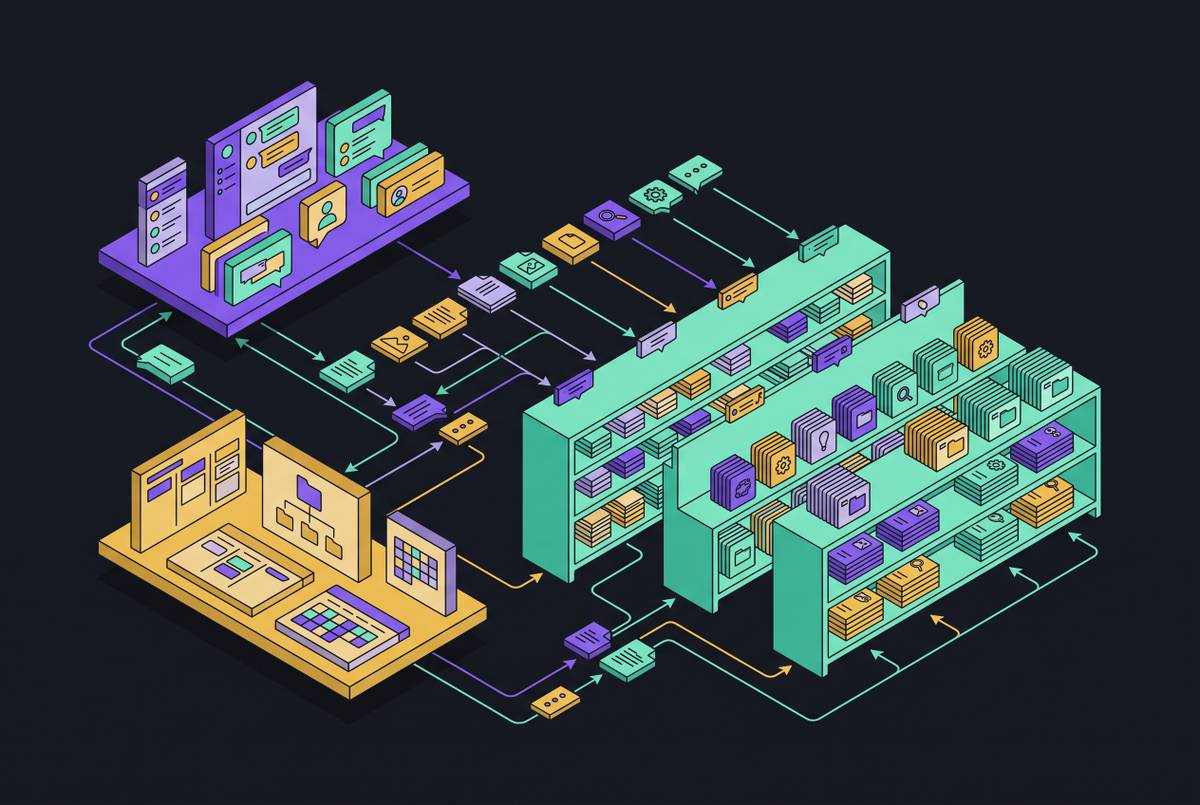
Deployment must also support correlation across the signals needed for investigation. Discovery results should connect to endpoint process data, network flow metadata, authentication events, file operations, USB transfers, cloud uploads, and email. Collecting each signal separately is not enough. Their value comes from explaining the same activity together, so that content, identity, and behavior do not remain separate accounts of an incident. A finding should enter detection and response with that context available, rather than requiring analysts to reconstruct it across disconnected systems.
CrowdStrike's Falcon Data Protection shows how the discovery and classification part of this design works, with local file scanning, file-level evidence, a choice of scan modes, and shared definitions for data at rest and in motion. Those capabilities connect the identification of sensitive content with the policy framework used to protect it. The full program still needs identity and behavioral context. A discovery component's usefulness depends on how it contributes to that combined view.
This design needs a manageable analyst workload to work in practice. Manual correlation across EDR, DLP, and identity systems imposes an integration tax that can push discovery findings down the investigation queue. When AI investigates candidate events before they become alerts for people to review, broader coverage need not lead to more triage. The operational test is whether the assembled evidence distinguishes findings that need immediate enforcement from those that warrant monitoring. Analysts should be able to make that decision without stitching together five separate systems.