Coverage Inventory for Programs With No Classification Baseline
Start protecting data before classification is complete by mapping movement, identity, and behavior.
Tobias Wrenfeld
Section
14 stories in Coverage Strategy.
Start protecting data before classification is complete by mapping movement, identity, and behavior.
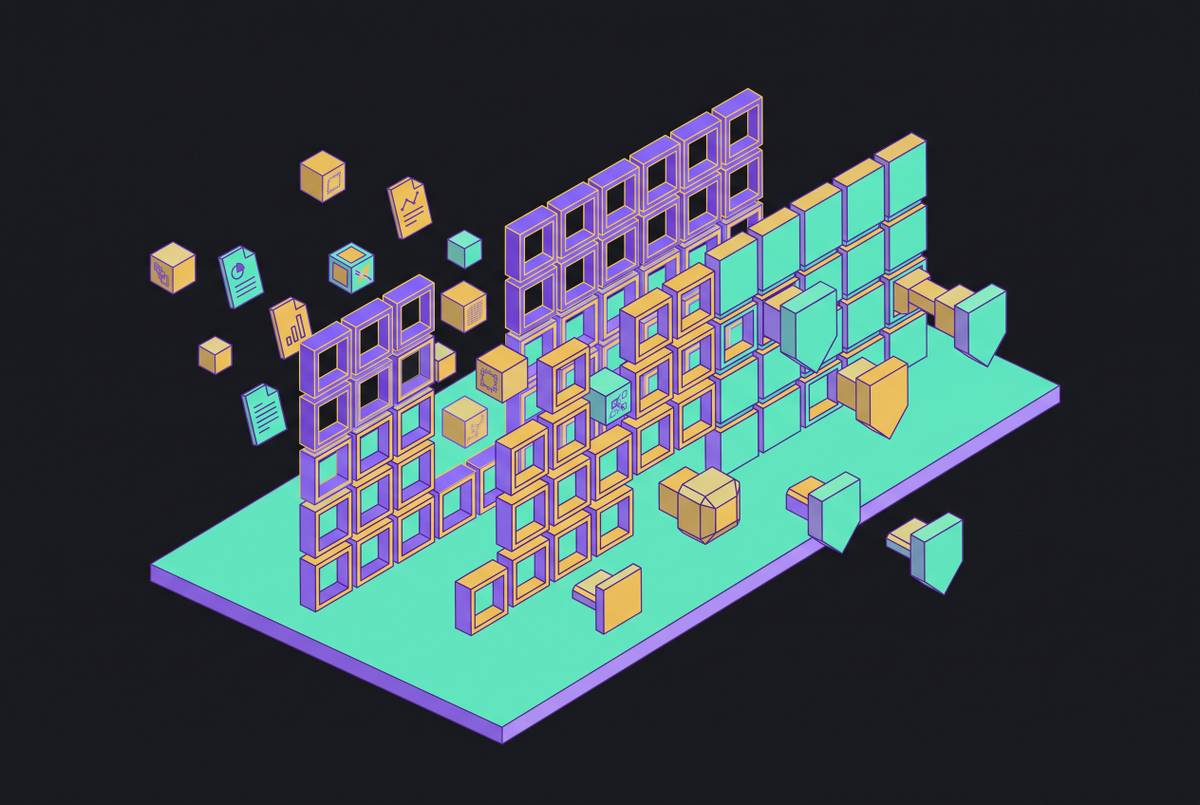
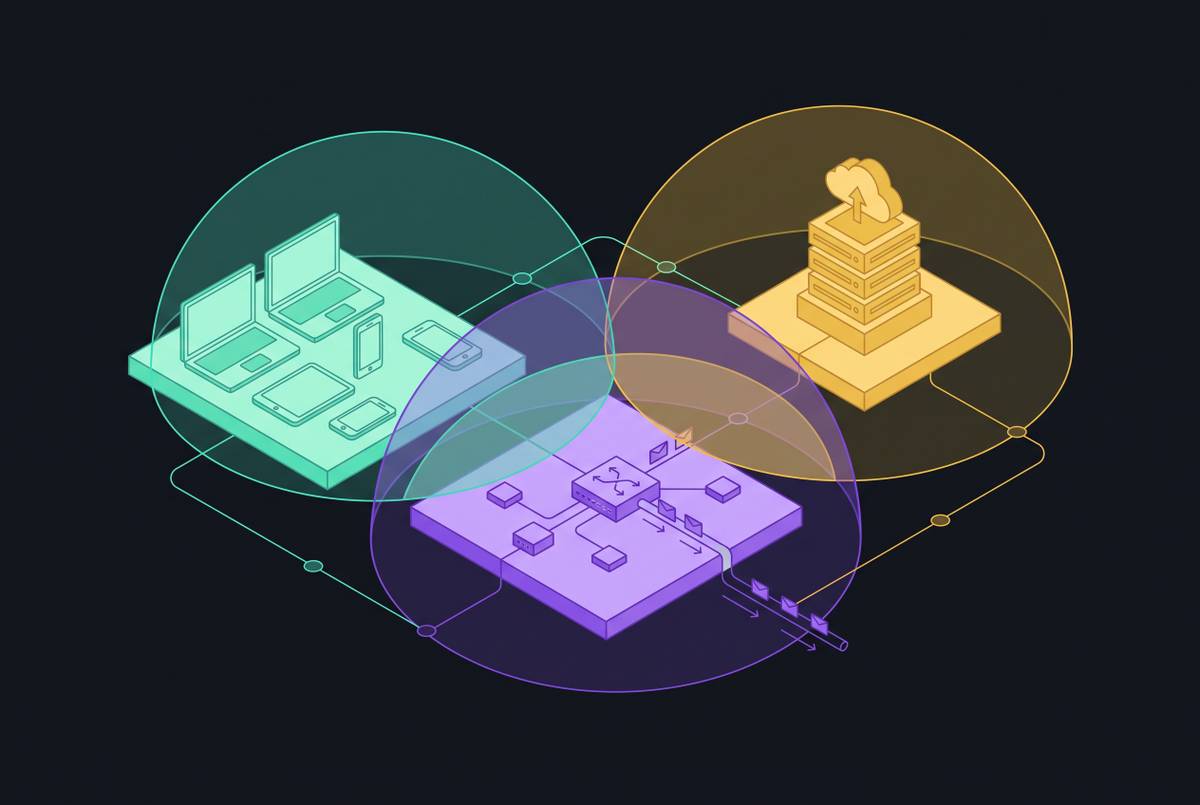
Each detection architecture reveals different data risks while leaving specific exposures unguarded.
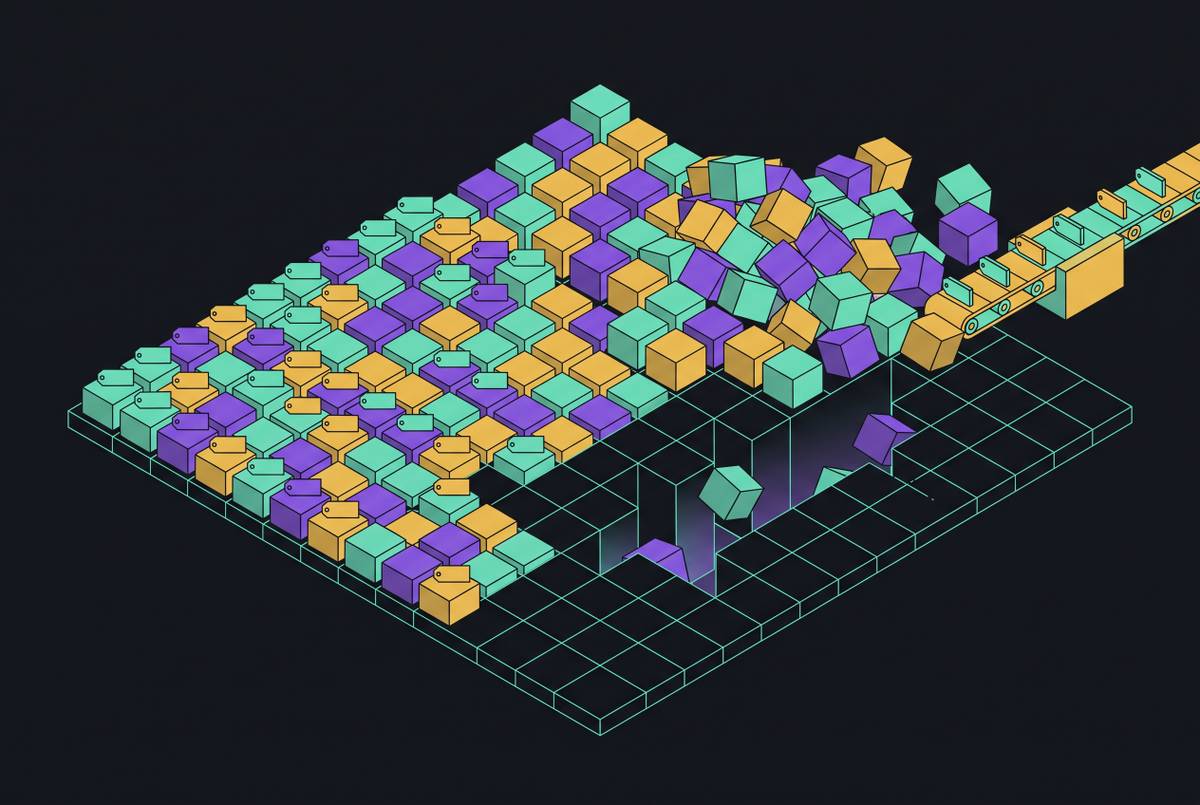
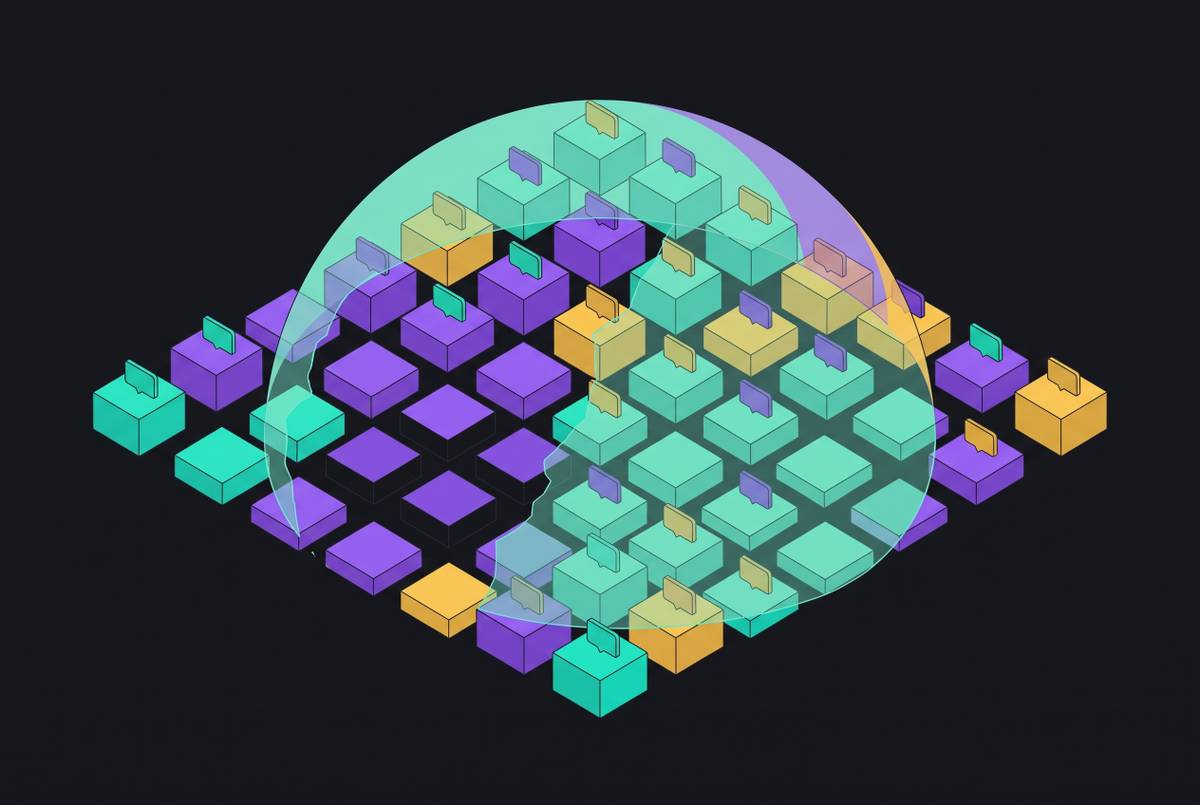
Classification gaps leave security controls blind to the data that matters most.
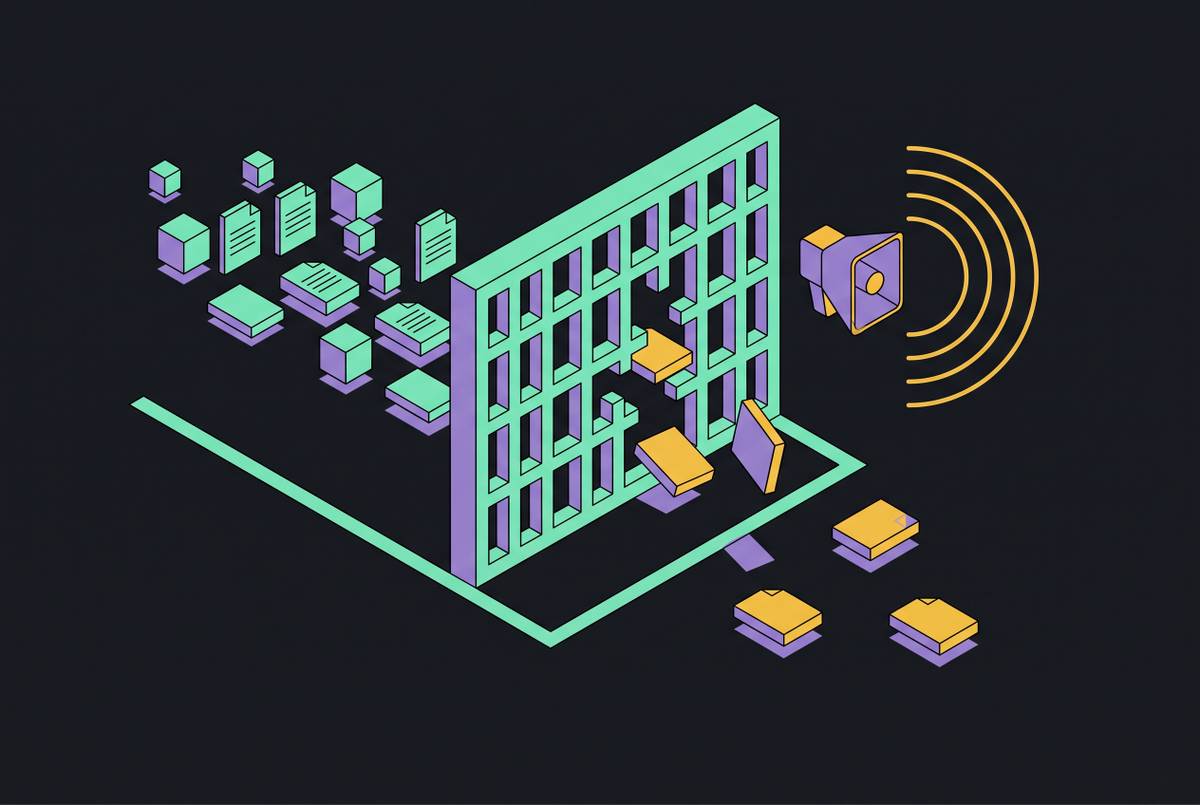
Symantec DLP's static-rule architecture blinds it to behavioral risk and AI workflows.
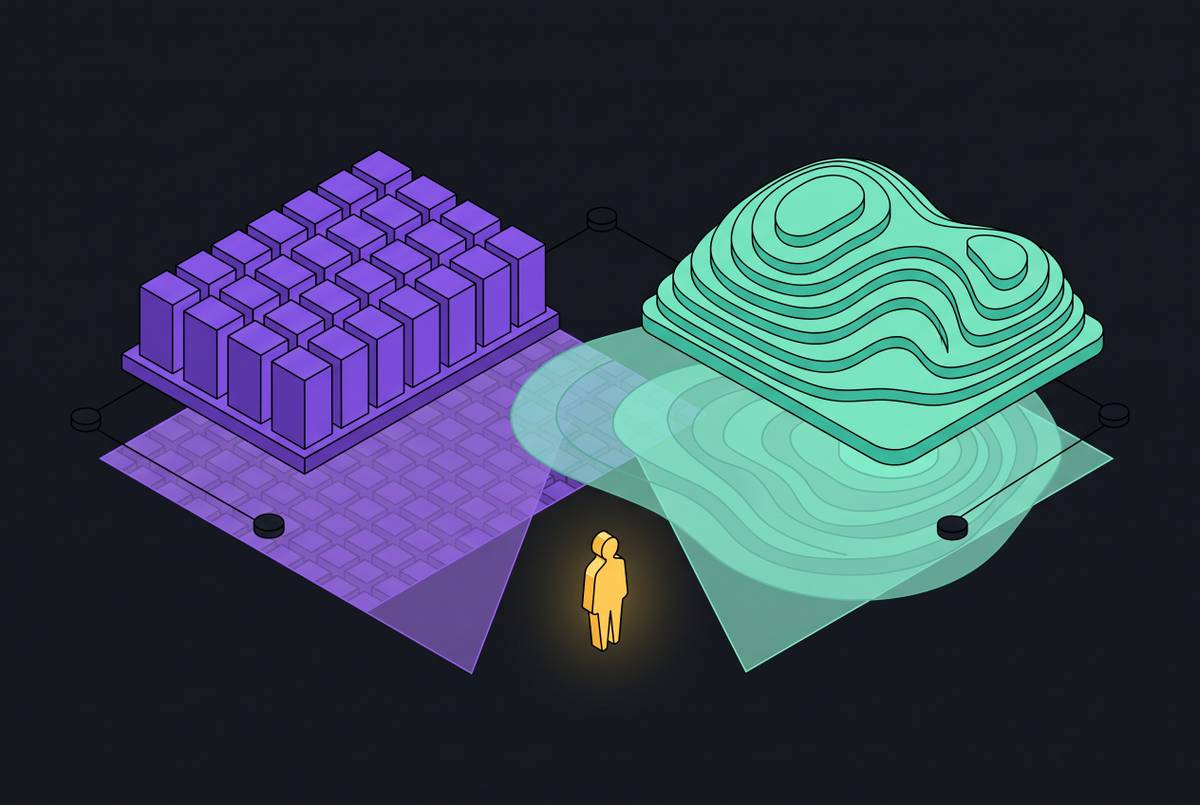
Behavioral baselines and regex patterns each miss threats the other cannot see.
Static rules miss most insider incidents because they can't catch what nobody anticipated.
Unstructured documents and AI workflows reveal what pattern-matching DLP was never built to catch.
Security teams can map and close predictable DLP gaps from inconsistent labeling.
Architectural gaps in detection tools create false positives, not miscalibrated rules.
Each DLP layer was built for a different era and leaves dangerous blind spots in modern work.
Timing the rollback of old rules matters more than the tool swap itself.
Protect what matters most instead of chasing coverage volume.
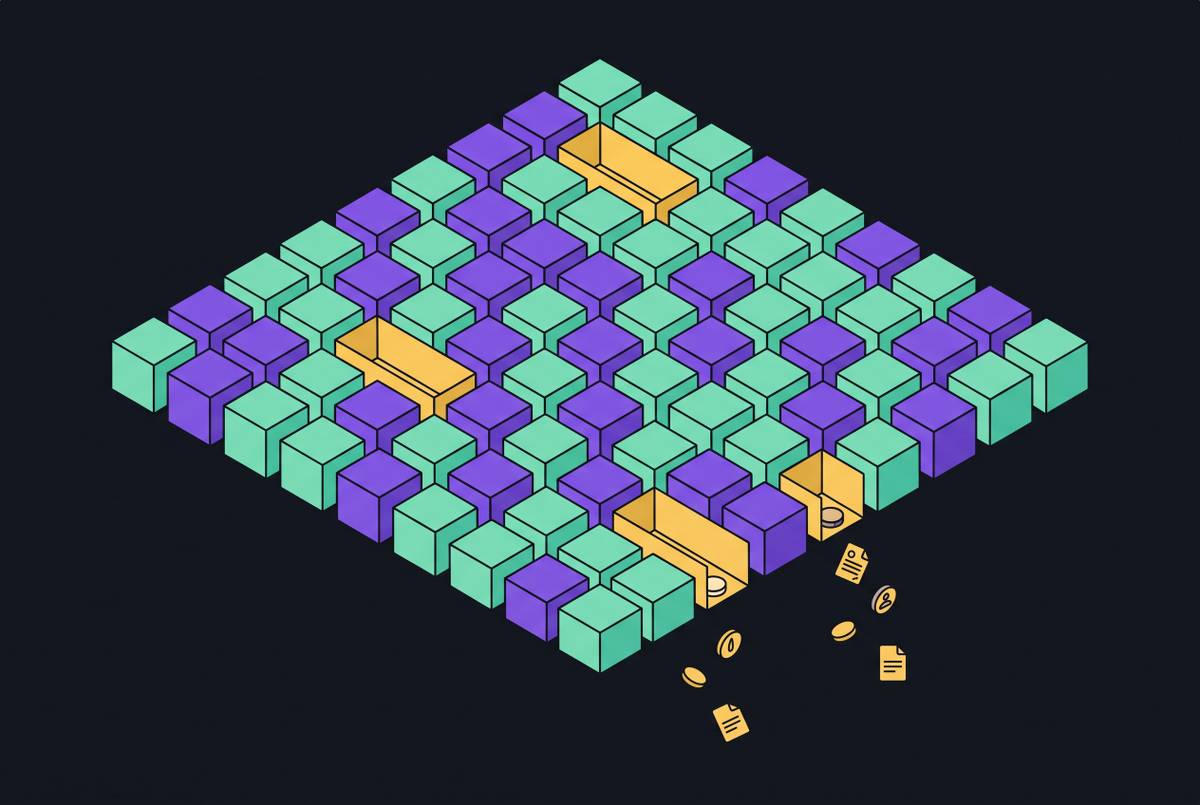
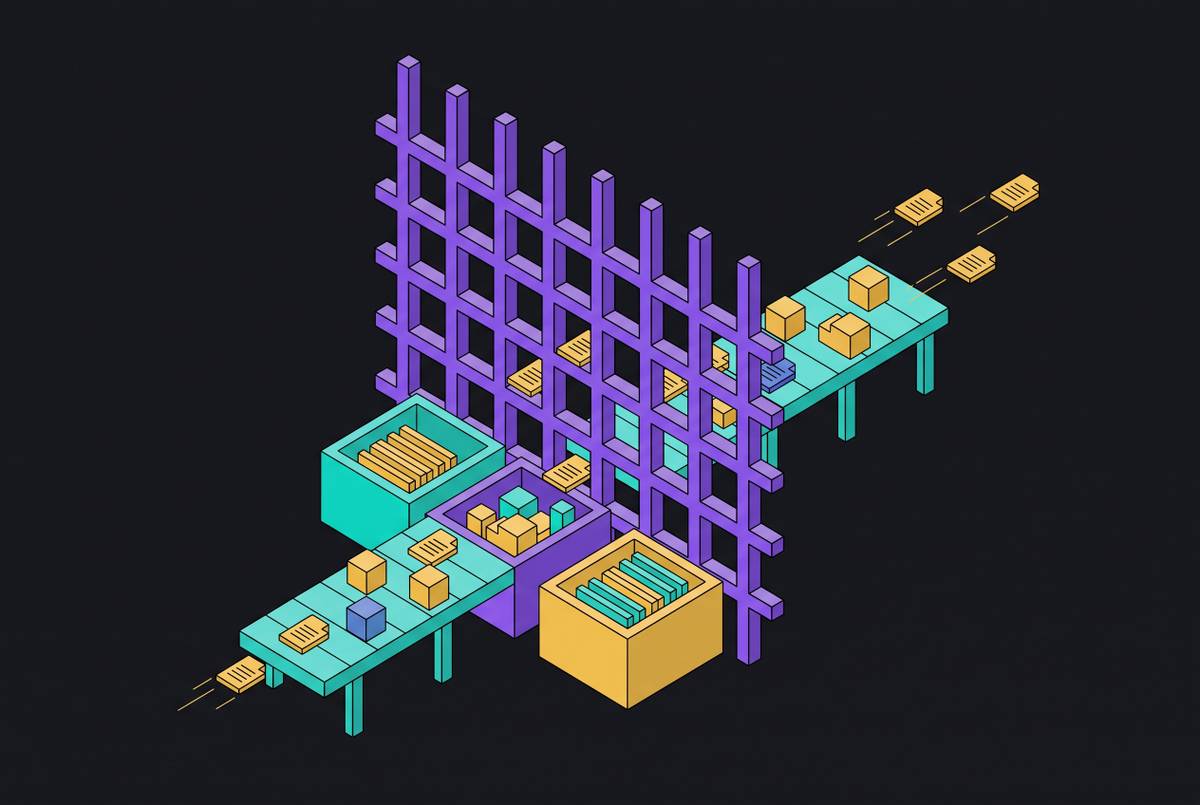
Most sensitive data lacks the labels and patterns static DLP rules are built to catch.
Audit your DLP rules against actual data movement, not just policy existence.